


Value of VAPA Classes

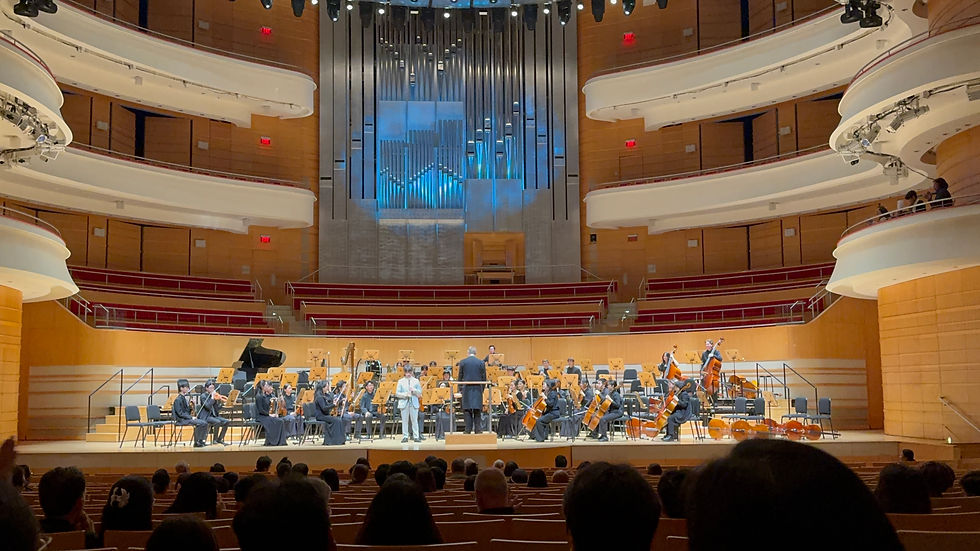
In an era where academic achievements and getting into top universities are students' highest priorities, a question lingers: Are Visual And Performing Arts (VAPA) still valued in our education system? As schools and students strive to boost performance in STEM fields, creative fields like music, art, and drama are quietly being pushed aside.
Although a large portion of students indeed take a VAPA class, most are taking those classes to “fill up their extracurricular activities”. Furthermore, the ultimate goal of these students is to get into a good university. VAPA classes, once a class for self-expression and identity, are increasingly being treated as a filler. A GPA boost. A backup option.
Schools in California require students to take at least one VAPA course to graduate. According to the California State Board of Education, VAPA classes “support the student’s art experience (and the skills they learn) to be enjoyable and also transferable to personal, scholarly, and professional endeavors.” However, for most students, a VAPA class is more like a one-and-done deal. No growth as an artist, and just moving on after they’ve fulfilled the requirements.
Beneath how students treat VAPA classes lies an even bigger problem. Schools themselves treat VAPA classes like fillers. Oftentimes, VAPA classes have the least amount of support and the most unstable schedules. Furthermore, counselors often prioritize STEM and AP classes over VAPA classes. This perfectly illustrates how just offering the VAPA classes does not support or boost the environment. Rather, it is more about believing that VAPA matters to students.
The irony is that the skills that VAPA classes foster, creativity, are in higher demand than ever in the real world. Whether one is creating an app, starting a business, or writing code, creativity is essential. But at school, where students are meant to train for the real world, the class that is most likely to teach students that skillset is at the lowest of priorities. On top of that, schools are prioritizing teaching rigid facts and skills that other medians like AI can do much quicker and better.
The US Board of Education states that its mission for schools is to “promote student achievement and preparation for global competitiveness by fostering educational excellence and ensuring equal access.” The mission addresses two points: preparing students for the outside world and ensuring equal access. However, looking at the absurd topics that schools prioritize teaching over the creative, critical thinking skills that society needs, the fact that schools are preparing students for society remains uncertain. Also, the fundamental goal of equal access that schools strive for is already breached through their system: some classes are getting heavily prioritized over others.
When VAPA classes are regarded as not important, schools lose more than just creativity: they lose connection. When schools, the system that fosters students for the future, treat creativity like an afterthought, students will learn to do the same. Unless schools start treating VAPA classes as essential, and not optional, the world will produce transcripts, not critical thinkers.


Comments